
Need more taxi bookings? Discover how Local SEO for Taxi Company helps you rank higher on Google, attract local customers, and get more calls.
Table of Contents:
Local SEO for Taxi Company: Get More Bookings from Google
Running a taxi company is competitive. Many taxi businesses depend on repeat customers, word-of-mouth referrals, and paid advertising to generate bookings. While these methods can bring customers, they may not provide a consistent flow of new enquiries, especially when potential passengers are searching online for reliable taxi services in their area.
“This is where a well-planned Local SEO strategy becomes important for taxi companies looking to improve their visibility on Google and attract more local customers.”
Local SEO helps your taxi business appear in relevant Google Search results and Google Maps when people search for services such as “taxi service near me,” “airport taxi service,” or “24-hour taxi in [City Name].”
By improving your local search visibility, you can connect with people who are actively looking for transportation services in your service areas. Whether you operate a local taxi fleet, provide airport transfers, or offer private hire services, a well-planned local SEO strategy can help attract more potential customers, increase phone calls, and generate more online bookings.
Instead of relying entirely on paid advertisements or existing customers, you can build a stronger online presence that helps people discover your taxi company when they need a ride.
In this guide, we’ll explain how local SEO works for taxi companies, which strategies can improve your Google visibility, and how you can turn local searches into more bookings.
Why Do Taxi Companies Need Local SEO?
When people need a taxi, they often search Google for services like “taxi near me,” “local taxi service,” or “airport transportation.” If your taxi company doesn’t appear in these local search results, potential customers may choose your competitors instead.
Local SEO helps taxi companies attract more customers by improving their visibility where people are actively searching for transportation services.
Here are some key benefits:
- Get Discovered Locally: Appear in relevant Google searches when customers look for taxi services in your operating areas.
- Improve Google Maps Visibility: Increase your chances of appearing in Google Maps and attracting nearby passengers.
- Generate More Bookings: Drive more phone calls, website visits, and online booking enquiries.
- Reach Airport Transfer Customers: Target people searching for airport taxis, pickups, and transportation services.
- Build Customer Trust: Positive Google reviews and an optimized business profile help potential passengers feel confident choosing your company.
- Reduce Advertising Costs: Build sustainable organic visibility and reduce your dependence on continuously paying for advertisements.
With effective local SEO, your taxi company can reach more potential passengers, compete with established transportation businesses, and generate consistent opportunities for new bookings.
How Does Local SEO Work for Taxi Companies?
Local SEO helps taxi companies appear in Google Search and Google Maps when potential customers search for transportation services in their area. When someone searches for a taxi service, airport transportation, or a 24-hour cab near them, Google displays relevant local businesses based on several factors, including relevance, distance, and prominence.
For taxi companies, an effective local SEO strategy focuses on optimizing the Google Business Profile, improving Google Maps visibility, and targeting location-specific keywords. These activities help your business reach people who are actively looking for taxi services and are more likely to make a booking.
Let’s explore the three important components of local SEO for taxi company.
1. Google Business Profile Optimization
A Google Business Profile (GBP) is one of the most important tools for improving your taxi company’s local search visibility. It allows your business to appear on Google Maps and in local search results when customers look for taxi services.
“Professional Local SEO services can help taxi companies improve their Google Business Profile, website optimization, and local search visibility.”
However, simply creating a profile is not enough. You need to optimize it with accurate and relevant business information.
Here are some important optimization steps:
- Business Name and Categories: Use your real business name and select the most relevant primary and additional business categories. This helps Google understand the services your taxi company provides.
- Service Areas: Specify the cities, neighborhoods, and locations your taxi company actually serves. This helps customers understand where your services are available.
- Business Information: Add accurate contact information, business hours, and other relevant details so potential customers can easily reach you.
- Phone Number and Website: Include your main business phone number and link to your official website, making it easier for customers to call or book a taxi.
- Business Photos: Upload genuine photos of your taxis, fleet, drivers, and business operations to help build customer confidence.
- Services and Descriptions: Clearly describe your available services, such as airport transfers, local taxi rides, corporate transportation, and 24-hour taxi services.
An optimized Google Business Profile makes it easier for potential customers to discover your taxi company and contact you when they need transportation.
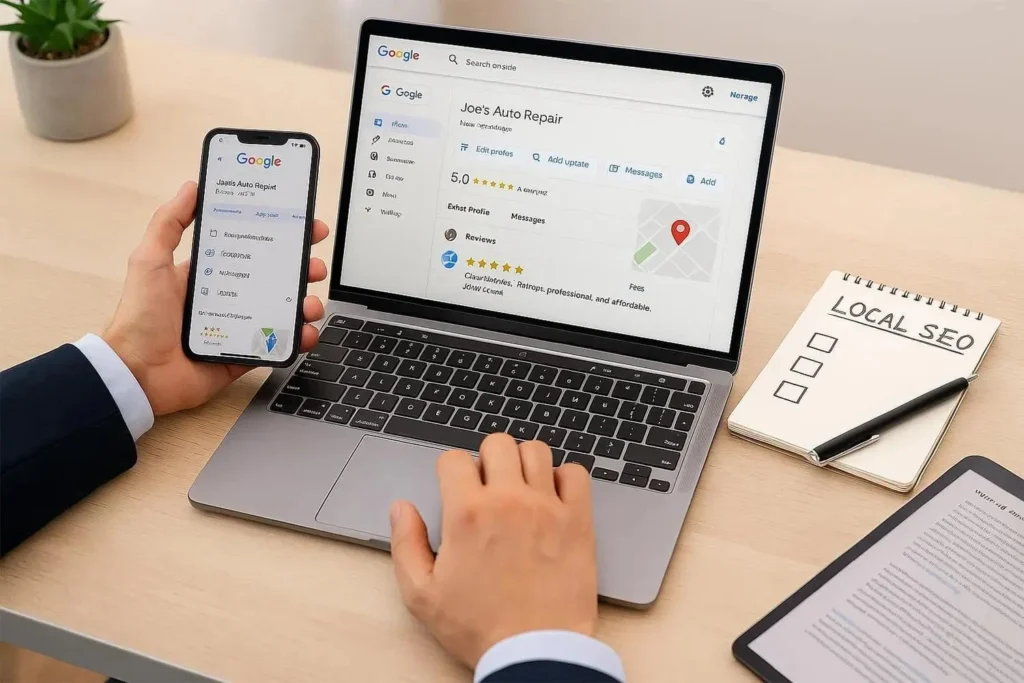
“Follow the official Google Business Profile guidelines to maintain accurate business information.”
2. Google Maps Ranking Optimization
When customers search for taxi services in a particular area, Google often displays a map with relevant local businesses. This section is commonly known as the Google Maps local results or Local Pack.
Getting your taxi company listed prominently in these results can help increase visibility, phone calls, and potential bookings.
Google primarily considers three factors when determining local search rankings:
Relevance: Relevance refers to how closely your business profile matches what a customer is searching for. For example, if someone searches for an airport taxi service, Google tries to identify businesses that offer airport transportation.
Distance: Distance refers to how far a business is from the searcher’s location or the location mentioned in their search. Taxi companies should accurately represent their service areas and business location rather than attempting to manipulate their address.
Prominence: Prominence refers to how well-known and established your business is. Google may consider factors such as customer reviews, online mentions, links from relevant websites, and your overall online presence.
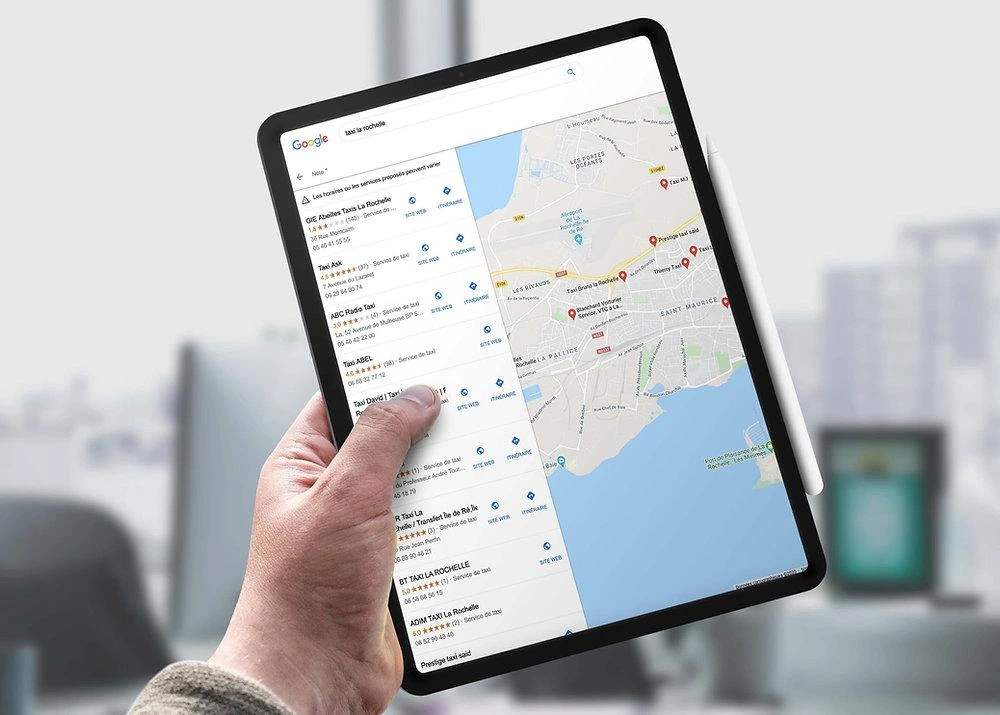
To improve your taxi company’s Google Maps visibility, focus on maintaining accurate business information, earning genuine customer reviews, building relevant local citations, and developing a trustworthy online presence.
3. Local Keyword Targeting
Local keyword targeting helps taxi companies attract customers searching for transportation services in specific cities, neighborhoods, and service areas.
Instead of targeting broad keywords such as “taxi services,” your website should include relevant location-based keywords that match the services you actually provide.
For example:
- Taxi Service in Dallas: Target customers searching for local taxi transportation in Dallas.
- Airport Taxi in Houston: Reach people looking for reliable airport transportation in Houston.
- 24-Hour Taxi Service in Chicago: Attract customers who need taxi services at any time of the day or night.
- Local Cab Service Near Me: Target people searching for nearby taxi and cab services.

You can incorporate these keywords naturally into your website’s service pages, location-specific landing pages, page titles, headings, and meta descriptions.
For example, if your taxi company operates in Dallas and provides airport transportation, you could create a dedicated landing page targeting “Airport Taxi Service in Dallas.”
However, avoid creating multiple nearly identical pages for different locations. Each location page should provide genuinely useful and unique information about the services available in that area.
Why Does Local Keyword Targeting Matter?
When your website targets relevant local search terms, it becomes easier for search engines to understand which services you provide and which locations you serve. This can help your taxi company attract more relevant organic visitors and potential customers.
For taxi businesses looking to increase their online visibility, combining Google Business Profile optimization, Google Maps SEO, and local keyword targeting creates a strong foundation for long-term local search growth.
7 Local SEO Strategies to Get More Taxi Bookings
Local SEO helps taxi companies improve their visibility in Google Search and Google Maps when potential customers search for taxi services in their area. By implementing the following seven strategies, taxi businesses can attract more local customers, increase phone calls, and generate more online booking enquiries.
1. Optimize Your Google Business Profile
A well-optimized Google Business Profile helps your taxi company appear in Google Maps and local search results when people look for nearby taxi services.
Make sure your profile includes accurate business information, your phone number, website, business category, service areas, operating hours, and relevant photos. Add your taxi services, such as airport transfers, local transportation, and 24-hour taxi services, where applicable.
Why it matters: An optimized profile helps potential customers discover your business, learn about your services, and contact you directly for bookings.
2. Target Local Taxi Service Keywords
Local keyword research helps you understand what potential customers type into Google when searching for taxi services in their area.
Target relevant keywords such as:
- Taxi service in Dallas
- Airport taxi service in Houston
- 24-hour taxi service in Chicago
- Local cab service near me
- Private taxi service in Miami
Use these keywords naturally in your website headings, service pages, page titles, meta descriptions, and content.
Why it matters: Targeting location-specific keywords helps your website reach people actively searching for taxi services in the areas you serve, increasing the chances of attracting relevant enquiries and bookings.
3. Create Location-Specific Landing Pages
If your taxi company serves multiple cities, towns, or nearby areas, create dedicated landing pages for each important service location.
For example, a taxi company operating in Dallas and nearby areas could create pages such as:
- Taxi Service in Dallas
- Taxi Service in Irving
- Taxi Service in Plano
- Airport Transfers in Dallas
Each page should provide useful, unique information about the services available in that location, including service coverage, booking options, and contact details. Avoid creating multiple pages with nearly identical content just to target different locations.
Why it matters: Location-specific landing pages help Google understand where your taxi business operates and allow you to target customers searching for taxi services in different service areas.
4. Build Local Citations and Business Listings
Local citations are online mentions of your taxi company’s business information, particularly its name, address (where applicable), and phone number (NAP).
List your taxi business on relevant and trustworthy directories, such as Yelp, Bing Places, Apple Business Connect, and local business directories. Keep your business information accurate and consistent across these platforms.
Why it matters: Consistent business information helps customers find and contact your taxi company. Relevant business listings can also support your local SEO efforts and strengthen your business’s online presence.
5. Generate More Positive Google Reviews
Customer reviews play an important role in building trust and influencing booking decisions. Encourage satisfied passengers to share honest feedback about their experience on your Google Business Profile.
You can request reviews through follow-up messages, booking confirmation emails, or a direct review link. Respond professionally to both positive and negative reviews.
For example, customers may mention punctual drivers, comfortable vehicles, friendly service, or reliable airport transfers in their reviews.
Why it matters: Positive, genuine reviews help potential customers feel more confident choosing your taxi company. Review quality, quantity, and regency can also contribute to local search prominence.
“Taxi companies should follow Google’s review policies and encourage genuine feedback without offering incentives.”
6. Optimize Your Website for Mobile Users
Many people search for taxi services using their smartphones, especially when they need immediate transportation or airport transfers. Your website should make it easy for mobile visitors to contact your business and book a ride.
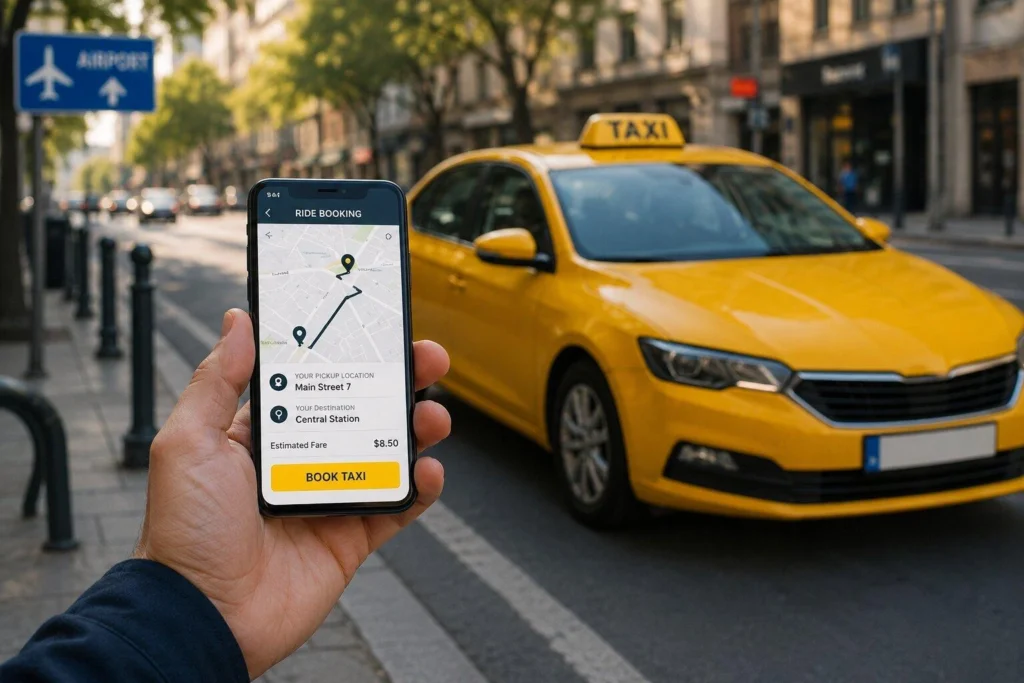
Make sure your website:
- Loads quickly on mobile devices.
- Has a mobile-friendly design.
- Displays your phone number prominently.
- Includes click-to-call buttons.
- Offers a simple online booking process.
- Clearly displays your taxi services and service areas.
Why it matters: A mobile-friendly website creates a better customer experience and makes it easier for visitors to turn their searches into phone calls and booking enquiries.
7. Build Relevant Local Backlinks
Local backlinks are links from other relevant and trustworthy websites pointing to your taxi company’s website. They can help improve your website’s authority and strengthen its visibility in organic search results.
Look for opportunities to earn links from local business directories, travel websites, airport-related resources, local tourism websites, community organizations, and relevant business partners.
For example, a taxi company offering airport transfers could collaborate with local hotels or travel-related businesses to earn relevant website mentions and links.
Why it matters: Quality backlinks help search engines discover your website and understand its authority and relevance. A stronger backlink profile can support better organic rankings and bring referral traffic from relevant websites.
“Not sure which SEO issues are affecting your taxi company’s visibility? Request a free Local SEO audit from Small Biz Digital Agency to identify opportunities for improvement.”
“For additional guidance, follow Google’s link best practices when creating internal and external links.”
Common Local SEO Mistakes Taxi Companies Should Avoid
Many taxi companies struggle to attract customers through Google because of avoidable local SEO mistakes. Even if your business provides reliable taxi services, poor online visibility can make it difficult for potential customers to find and contact you.
Here are seven common local SEO mistakes taxi companies should avoid.
1. Having an Incomplete Google Business Profile
Your Google Business Profile plays an important role in helping potential customers discover your taxi company through Google Search and Google Maps.
An incomplete profile with missing business information, incorrect categories, no service details, or outdated contact information can create a poor first impression and make it harder for customers to choose your business.
How to fix it:
- Complete all relevant business information.
- Select the most appropriate primary and secondary categories.
- Add accurate business hours and contact details.
- Include relevant taxi services.
- Upload genuine business photos.
- Keep your profile information updated.
2. Targeting Keywords Without Location Intent
Taxi customers usually search for transportation services based on their current location or destination. Targeting only broad keywords such as “taxi service” may not attract the most relevant local customers.
For example, a taxi company operating in Dallas should consider targeting location-specific search terms such as:
- Taxi service in Dallas
- Dallas airport taxi service
- 24-hour taxi service in Dallas
- Local cab service in Dallas
How to fix it:
Conduct local keyword research and identify relevant search terms based on your service areas. Incorporate these keywords naturally into your website pages, headings, service descriptions, and location-specific content.
3. Creating Duplicate or Low-Quality Location Pages
Some taxi companies create multiple location pages to target different cities and neighborhoods. However, publishing several pages with nearly identical content and simply changing the city name can create poor user experiences and may be considered doorway-page abuse when designed primarily to manipulate search rankings.
How to fix it:
Create location-specific pages only for areas your taxi company genuinely serves. Each page should provide useful local information, relevant services, service availability, and unique content that helps potential customers.
“Before creating multiple location pages, review Google’s spam policies to avoid doorway abuse.”
4. Inconsistent Business Information Across Online Directories
Your taxi company’s business name, address, and phone number (NAP) should be accurate and consistent across important online directories.
For example, if your website displays one phone number but your business listings contain an outdated number, customers may struggle to contact you.
How to fix it:
- Audit your existing business listings.
- Correct outdated phone numbers and business information.
- Maintain accurate information across relevant directories.
- Update business details whenever they change.
5. Ignoring Customer Reviews
Online reviews influence how potential customers perceive your taxi company. When people compare multiple taxi services, they often consider customer feedback before deciding which company to contact.
A taxi company with very few reviews or unanswered negative feedback may lose potential customers to competitors with stronger reputations.
How to fix it:
- Encourage genuine customers to share their experiences.
- Respond professionally to positive and negative reviews.
- Address customer complaints where possible.
- Never purchase fake reviews or offer incentives in exchange for positive ratings.
6. Having a Slow or Poorly Optimized Mobile Website
Many people search for taxi services using smartphones, especially when they need immediate transportation. If your website loads slowly, displays incorrectly on mobile devices, or makes it difficult to call or book a taxi, potential customers may leave.
How to fix it:
- Improve website loading speed.
- Use a responsive mobile-friendly design.
- Add visible click-to-call buttons.
- Make booking forms simple and easy to complete.
- Optimize images and remove unnecessary scripts.
7. Having a Weak Local Backlink Profile
Local backlinks can help search engines understand your business’s relevance and authority. If your taxi company’s website has very few relevant links from trustworthy local websites, you may miss opportunities to strengthen its online presence.
How to fix it:
- Build relationships with relevant local businesses.
- Get listed in legitimate local business directories.
- Seek relevant partnerships with hotels, travel businesses, and tourism organizations.
- Publish useful local transportation guides that other websites may reference.
- Focus on relevant, trustworthy backlinks rather than buying large quantities of low-quality links.

Avoid These Local SEO Mistakes and Grow Your Taxi Business
Improving your taxi company’s local search presence requires more than simply adding keywords to your website. Your Google Business Profile, website performance, local content, customer reviews, business listings, and backlink profile all deserve attention.
At Small Biz Digital Agency, we help businesses improve their local search visibility through strategic Local SEO services. Our approach focuses on identifying SEO issues, improving website performance, optimizing Google Business Profiles, and building a stronger local online presence.
Want to know what is holding your taxi company’s local rankings back?
Get a Free Local SEO Audit and discover opportunities to improve your visibility on Google.
How Much Does Local SEO Cost for a Taxi Company?
The cost of local SEO for a taxi company depends on several factors:
1. Number of Service Locations
Targeting one city generally requires less SEO work than targeting multiple cities or service areas.
2. Local Market Competition
If many taxi companies compete for the same keywords, more SEO effort is needed to improve rankings and visibility.
3. Current Website Condition
A well-optimized website may need fewer improvements, while an outdated website may require significant SEO work.
4. Google Business Profile Condition
An incomplete or poorly optimized profile may require additional work to improve Google Maps visibility.
5. Technical SEO Requirements
Issues such as slow loading speed, mobile usability, indexing errors, and broken links can increase optimization costs.
6. Content and Link-Building Requirements
Creating location-specific pages, useful content, and building relevant local backlinks requires ongoing time and resources.
Local SEO Is an Ongoing Investment
Local SEO is not a one-time task. Regular optimization, content updates, review management, and performance monitoring help maintain and improve search visibility.
At Small Biz Digital Agency, we offer customized Local SEO solutions based on your taxi company’s goals, competition, and service locations.
Want to attract more local customers and generate more taxi bookings? Contact our team for a consultation and a customized SEO strategy.
How to Choose the Right Local SEO Agency for Your Taxi Business?
Choosing the right local SEO agency can make a significant difference in your taxi company’s online visibility and bookings. Before hiring an agency, consider these important factors:
- Proven Local SEO Experience: Look for an agency with experience helping local businesses improve search rankings and attract customers.
- Google Business Profile Expertise: Ensure the agency knows how to optimize Google Business Profiles to improve visibility in Google Maps.
- Transparent SEO Reporting: Choose an agency that provides regular reports showing keyword rankings, organic traffic, website performance, and progress.
- Local Keyword Research: Your SEO strategy should target relevant searches such as “taxi service near me” and “airport taxi in [city].”
- Relevant Case Studies: Review previous SEO projects to understand the agency’s approach and results.
- Clear Communication: Choose an agency that explains its strategies, sets realistic expectations, and keeps you informed.
At Small Biz Digital Agency, we help local businesses strengthen their online presence through strategic Local SEO services. Our approach focuses on improving local search visibility, attracting relevant customers, and generating more business enquiries.
Want to improve your taxi company’s Google visibility? Contact Small Biz Digital Agency to discuss your Local SEO strategy.
Grow Your Taxi Business with Local SEO Services from Small Biz Digital Agency
“Your potential customers are searching Google for reliable taxi services in their area. If your business isn’t appearing in relevant local search results, you’re missing opportunities to attract new customers.
At Small Biz Digital Agency, we help local businesses improve their Google visibility through strategic Local SEO services. From Google Business Profile optimization and local keyword research to on-page SEO and local authority building, our approach focuses on helping your business attract relevant customers.”
Discuss Your Taxi Business SEO Strategy
Frequently Asked Questions About Local SEO for Taxi Company
Find answers to common questions about local SEO for taxi company, including Google Maps rankings, local search visibility, SEO costs, and strategies to attract more customers and generate bookings through Google.
How does local SEO help taxi companies get more bookings?
Local SEO helps taxi companies appear in Google Search and Google Maps when potential customers search for taxi services nearby. By improving local rankings, optimizing your Google Business Profile, and targeting relevant keywords, your business can attract more customers, phone calls, and online booking enquiries.
How long does taxi company SEO take to show results?
Taxi company SEO typically takes 3–6 months to show noticeable improvements, although competitive markets may require 6–12 months. Results depend on your website’s current condition, local competition, Google Business Profile optimization, keyword strategy, and consistency of SEO efforts.
Can a taxi company rank on Google Maps?
Yes, taxi companies can rank on Google Maps by optimizing their Google Business Profile, maintaining accurate business information, collecting genuine customer reviews, and building local relevance. A well-optimized profile and strong local SEO strategy can improve visibility for relevant searches in your service area.
Do taxi companies need a Google Business Profile?
Yes, a Google Business Profile helps eligible taxi companies appear in Google Maps and local search results. It allows businesses to display contact details, operating hours, services, customer reviews, and website links, making it easier for potential customers to find and contact them.
How much does local SEO cost for taxi companies?
Local SEO costs for taxi companies depend on location, competition, website condition, and the number of service areas. Monthly SEO services may include Google Business Profile optimization, keyword research, website optimization, local citations, content creation, and link building. Request a customized SEO quote based on your business goals.
Is SEO better than Google Ads for taxi companies?
SEO and Google Ads serve different purposes. Google Ads can generate immediate visibility through paid placements, while SEO builds organic search visibility over time. Combining both strategies can help taxi companies attract customers in the short term while developing sustainable long-term organic traffic.
Can a taxi company rank in multiple cities?
Yes, a taxi company can target multiple cities through location-specific landing pages and local SEO strategies. Each page should provide unique, useful information about services available in that area. However, rankings depend on genuine service coverage, competition, and Google’s local search relevance guidelines.